Why Your Sutherland Business Looks Clean in the Morning but Dirty by Lunchtime
- Home
- /
- Why Your Sutherland Business Looks Clean in the Morning but Dirty by Lunchtime
A commercial workplace may look spotless at the start of the day, yet by lunchtime, the floors can appear dusty, the reception area may lose its shine, and shared kitchens and washrooms can require attention. For businesses in Sutherland, commercial cleaning in Sutherland plays an important role in maintaining a clean and presentable workplace throughout operating hours, particularly in premises that experience regular foot traffic.
And yeah, the reason is pretty straightforward. A clean space is basically under attack the entire time from new dirt, dust, moisture, and the everyday mess that just shows up. Even with a thorough cleaning routine, normal business life slowly, but surely, changes how the place looks and how hygienic it feels. If businesses understand where all that grime comes from, and how to manage it, a more professional environment is a lot easier to keep, especially from morning through closing.
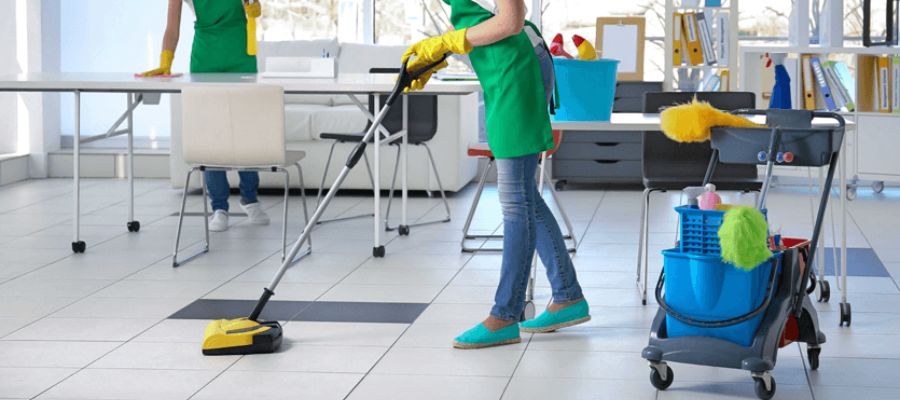
Why Commercial Workplaces Get Dirty So Quickly
Different commercial properties come with different cleaning pressure, depending on things like size, layout, the industry, and how many people pass through each day. A typical office with a busy reception area can gather dirt in a totally different way compared with a retail shop, warehouse, or hospitality setting.
A bunch of normal everyday moments play a role in the problem.
1. High Foot Traffic Brings Dirt Indoors
Entrances and walkways are usually the first areas to show dirt, even before most other spots. Employees, customers, suppliers, and visitors can bring in dust, soil, moisture and other debris just on their shoes.
In busy premises, this stuff tends to pile up around doorways, reception desks and hallways. If it’s wet weather, muddy footprints and moisture can make floors look bad faster than usual. And without consistent attention to entrance zones, even a place that was cleaned a short time ago can lose its fresh appearance way too quickly.
2. Reception Areas Collect Dust and Fingerprints
Reception areas are the first impression, which means they get noticed right away. But they’re also some of the most-used areas inside a commercial building.
Reception counters, glass doors, waiting-room furniture, and other shared surfaces can gather fingerprints, dust, and visible marks through the morning. On top of that, papers, packaging, and everyday items can make the whole space look cluttered even if nobody thinks they “did anything wrong.” Regular surface cleaning, organised storage and getting rid of rubbish on time can keep everything looking acceptable during operating hours.
3. Shared Kitchens Become Messy After Morning Breaks
Office kitchens and staff break rooms get a lot of attention before lunchtime, whether you want it or not. Coffee spills, food crumbs, dirty dishes, and little splashes near sinks can make the area look neglected in a hurry.
Kitchen cleanliness matters because eating spaces and food preparation areas need proper hygiene practices. If spills and food residue are left around, you can get unpleasant odours and sometimes even attract pests. A sensible cleaning routine usually includes wiping the right work surfaces, managing waste properly, checking sinks, and keeping high-use areas tidy. Staff can help too, when they clean up after themselves rather than “dealing with it later”.
4. Washrooms Need More Than One Daily Check
Commercial washrooms can become messy well before the workday ends, especially in buildings where employees, customers, and visitors all use the facilities.
Wet floors, empty soap dispensers, overflowing bins, and dirty mirrors can quickly affect how people judge the business. Places with higher use often need more frequent checks just to stay within suitable hygiene standards. The best schedule depends on occupancy, how often the facilities are used, and the type of premises. Regular inspections, throughout the day, can help catch issues before visitors actually notice them.
5. Dust and Airborne Particles Settle on Surfaces
Dust doesn’t magically vanish just because the workplace got cleaned that morning. As people walk around, doors open and close, ventilation systems run, and normal indoor activity continues, particles keep settling on desks, shelves, and other surfaces.
If some areas don’t get proper attention during routine cleaning, they can slowly develop a dull, neglected look. Consistent dusting, proper vacuuming, and extra care on the surfaces people often overlook can reduce visible dust build-up. Also, the cleaning method should match the surface type and flooring material, not just whatever tool someone grabs first.
How Businesses can Keep Their Premises Cleaner until closing time, kind of smooth and steady
Keeping a workplace clean during the day might not need a full cleaning service every few hours. Often, a schedule that actually fits what happens day to day, can handle the messiest spots first, and still feel doable.
Make a Cleaning Schedule that matches workplace activity
Not every commercial place works the same. A smaller office with fewer visitors, might need a far different routine than a lively retail setup, or some shared commercial building where everything seems to happen at once.
A practical schedule usually splits tasks into three rough types
- Daily cleaning: emptying bins, wiping the surfaces people touch most, vacuuming or mopping when needed, and keeping washrooms and kitchen areas in decent shape.
- Periodic checks: looking over entrances, reception zones, shared facilities, and other high-use spaces while you’re actually open.
- Scheduled deep cleaning: dealing with dirt that keeps building up in carpets, upholstery, floors, windows, and those spots that want a bit more attention.
This style helps businesses use their cleaning resources in a focused way, rather than spreading effort everywhere.
Give the high traffic zones a bit more attention
Entrances, corridors, reception areas, and shared facilities typically get dirtier quicker than rooms that barely get used. Managers usually spot these areas by watching where grime appears first, or where it spreads the fastest. Entrance mats help a lot, quick spill cleanups matter, and floor checks on a regular rhythm can stop dirt from walking through the building.
The big idea is simple, fix the little problems before they turn into “why does the whole place look bad”.
Ask employees to help keep shared spaces in line
Yes, professional cleaning is a big part of keeping a workplace tidy, but normal habits do a lot too. Employees can support the process by disposing of rubbish properly, dealing with food spills right away, putting personal items where they belong, and leaving the shared kitchen area in a reasonable condition, not like a small storm passed through.
If expectations are clear , and waste bins are easy to find, these habits tend to stick without asking staff to do extra annoying work.
Think about professional commercial cleaning services
Sometimes internal staff are spending too long on cleaning, or the place keeps looking messy even after “regular effort”. In those cases, it can make sense to bring in professional commercial cleaning help.
Commercial cleaning services can set up a steady routine that fits the premises, your operating hours, and what needs attention most. Depending on what’s required, it may cover office cleaning, floor care, washroom upkeep, dusting, rubbish removal, and deeper cleaning visits on a planned basis.
For businesses in Sutherland, a cleaning plan that reflects real workplace activity can help keep a consistent standard, without causing constant disruption to daily operations.
When should a business review its cleaning routine
There are a few signs that a current cleaning plan might no longer be working.
For example: floors that look dirty almost immediately after cleaning, ongoing odours in shared areas, bins that overflow too often, complaints about washrooms returning to unpleasant conditions, and dust that keeps forming on commonly used surfaces.
Also, changes like staffing numbers, customer flow, business hours, or even the layout of the premises can quietly increase the cleaning workload.
A review of the schedule can help spot gaps, clarify who’s responsible for what, and decide whether extra cleaning visits, or more targeted maintenance would actually help.
Conclusion
A workplace can look clean in the morning and still feel messy by lunchtime, and that’s usually not because cleaning is being ignored. More often it’s normal business life taking effect fast: foot traffic, shared kitchens, busy washrooms, fingerprints on surfaces, and airborne dust all contribute to how commercial premises appear, pretty quickly.
By focusing on high traffic areas, keeping shared facilities under control, supporting good workplace habits, and setting a suitable cleaning schedule, businesses can keep the presentation looking professional throughout the working day.
If you want a more consistent approach, Shire Cleaners can be a good option for commercial cleaning support, tailored to what the premises actually needs. With a well planned routine, Sutherland businesses can keep a clean, professional environment for employees, customers, and visitors, without the day getting away from you.